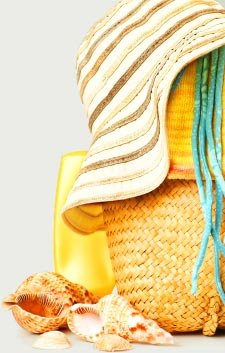
Sun safety tips
How to protect yourself from harmful UV rays while having fun outdoors
Posted in Health & Wellness on June 12, 2011 by FloridaHealth.com staff. Last modified on December 02, 2018. Read disclaimer.
Nearly 115,000 Americans were diagnosed with melanoma (the most dangerous form of skin cancer) in 2010, with ultraviolet radiation being blamed for 65%-90% of these cases. Chronic or overexposure to UV sun rays, which can penetrate the skin and change skin cells, is also a contributing factor for premature skin aging and wrinkles, cataracts (a severe eye condition), a weakened immune system and hundreds of thousands of cases of basil cell and squamous cell carcinoma cancers annually.
+ Free Shipping & Returns on Eligible Items.
(*Amazon's Top 100 list updated hourly.)
How much sun exposure is too much?
According to the CDC, skin damage can occur from as little as 15 minutes of unprotected sun exposure. Overexposure to UV rays can occur not only on hot, sunny days -- but on cool, hazy and cloudy days, as well. (It's not the temperature that burns your skin, it's the sun's invisible ultraviolet radiation.) And, while late spring and early summer brings the greatest amount of UV rays, over exposure at any time of the year can be dangerous -- especially since UV rays reflect off snow and ice as well as off of water, cement and sand.
Note: Children, fair skinned people and those with certain health conditions or on medications including antibiotics and antihistamines may be at an even greater risk.
8 Sun safety tips to consider
1. Time of day: The hours just before and after midday are most hazardous for UV exposure, generally from 10am to 3pm. Avoid outdoor activities during this time, if possible.
2. Minimize direct as well as reflective exposure: To protect against the sun overhead, seek shade as much as possible, whether from a tree, umbrella or shelter. Also, be aware that water, snow and sand are excellent sun reflectors which increases the risk of sunburn.
3. Length of exposure: damage from harmful rays can occur in as little as 15 minutes of exposure but the longer you are out, the greater the exposure.
4. Clothing: Loose fitting, tightly woven, long sleeved shirt and long pants of a dark color offer optimal protection -- but, obviously these are less comfortable than typical summer ware. While tighter fitting, light colored, thin-woven summer clothing like a t-shirt or beach wrap are certainly more comfortable, they provide less protection than SPF15 sunscreen. (And when wet, the UV protection of these garments is even lessened.) So, a happy medium is "sun protection clothing" or "UV-protective clothing." It is summer ware that has been treated with UV absorbent and is available from many outdoor and sporting good.
5. Hats: Darker colored, wide brimmed hats, made of tightly woven fabric like cloth are excellent for covering the face, nose, ears and neck. Avoid straw hats which may allow UV rays to penetrate through the holes.
6. Sunglasses: Large, wraparound sunglasses provide good protection since they prevent UV rays from entering from the side. Most sunglasses sold in the US protect against both UVA and UVC types of rays, both of which can be harmful.
7. Sunscreen: By reflecting, scattering or absorbing UV rays, sunscreens are a valuable tool in protecting the skin.
Always use sunscreen with a minimum of SPF15 and UVA and UVB protection. While the higher SPF percentage indicates greater protection, the numbers can be deceiving. SPF15 provides about 93% protection when applied properly, while SPF30 provides about 97% protection.
A half hour before going outdoors, apply sunscreen generously to all exposed skin (for most of us, the suggested amount of lotion is about 1 ounce, which is the same as 2 tablespoons). Then reapply at least every two hours. This even applies if you'll be in the car all day since UV rays penetrate glass.
When swimming, reapply much more frequently, even if the sunscreen says that it is waterproof or water resistant.
Do not rely on suntan "lotion." It tries to minimize sunburn while still permitting tanning rays to penetrate the skin. Tanning lotions do not provide good protection against damaging UV rays.
8. Eat a healthy diet: Certain plant-based antioxidants may help prevent against UV damage to the skin. These protective "phytochemicals" include lycopene (found in tomatoes and other red fruits and vegetables) and alpha and beta carotenes (found in carrots, sweet potatoes, pumpkin, broccoli, spinach, colllards and other orange and dark green veggies).
Just a few serious sunburns in your lifetime can increase your chances of getting skin cancer later in life so plan ahead. Minimize exposure, dress appropriately, and always have sunscreen handy -- applying it liberally and reapplying often.
Additional reading for UV ray protection is available at:
http://www.cdc.gov/cancer/skin/basic_info/
http://www.faa.gov/about/office_org/headquarters_offices/arc/programs/academy/cmel/student_resources/
Health/SSJ/Stall-p.pdf
Prevention magazine, June 2012. Everything you ever wanted to know about sunsafety.
http://www.cdc.gov/HealthyYouth/skincancer/pdf/QA.pdf
http://citynet.annapolis.gov/intranet/departments/hr/HealthTips/Tip0508.pdf
http://suite101.com/article/how-to-protect-lips-from-sun-damage-a387126

 Germiest items in your home | Quiz
 When to wash clothes | Infographic
 How to select, ripen and enjoy healthy avocados
 Potty training tips for girls and boys
 Home & yard mosquito control | Infographic
 9 Beauty secrets to younger-looking skin
 Dietary needs of adults and older adults
 Can cranberry juice prevent urinary tract infections?
 9 Foods that are delicious and super nutritious
 What works (and what doesn't) for hangovers
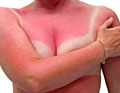 Tips for preventing or treating sunburns
 Foods that are high in calcium for healthy bones
 Action plan for getting rid of cockroaches
 What causes body odor and how to prevent it
 Important tips for preventing heart disease
 Ha! Try this funny technique for managing stress
 How to prevent and remove mold and mildew
 Container gardening ideas
 What is cholesterol and tips for managing it
 Subscribe to our RSS